A Land Steeped in History
A virgin land of the ocean, Andaman has been a fabulous part of thousands of lives for hundreds of decades, and its mesmerising scenery still adorns the seashore. Andaman has been documented for over 2,200 years according to current archaeological evidence, while isolation studies point to signs of habitation - traditional, genetic and linguistic - going back more than 60,000 years.
Even in the Middle Palaeolithic age, the islands' residents kept to themselves while diversifying this prosperous land with a wide variety of local tribes, languages, territories and rich traditions. The Great Andamanese are known for representing ten distinct groups, each with a different language, among them the Jarawa of Rutland (a distinct tribal territory), the Onge (the most isolated group), the Nicobarese (spread across many islands) and the Shompen (of interior Great Nicobar).
Geography of the Islands
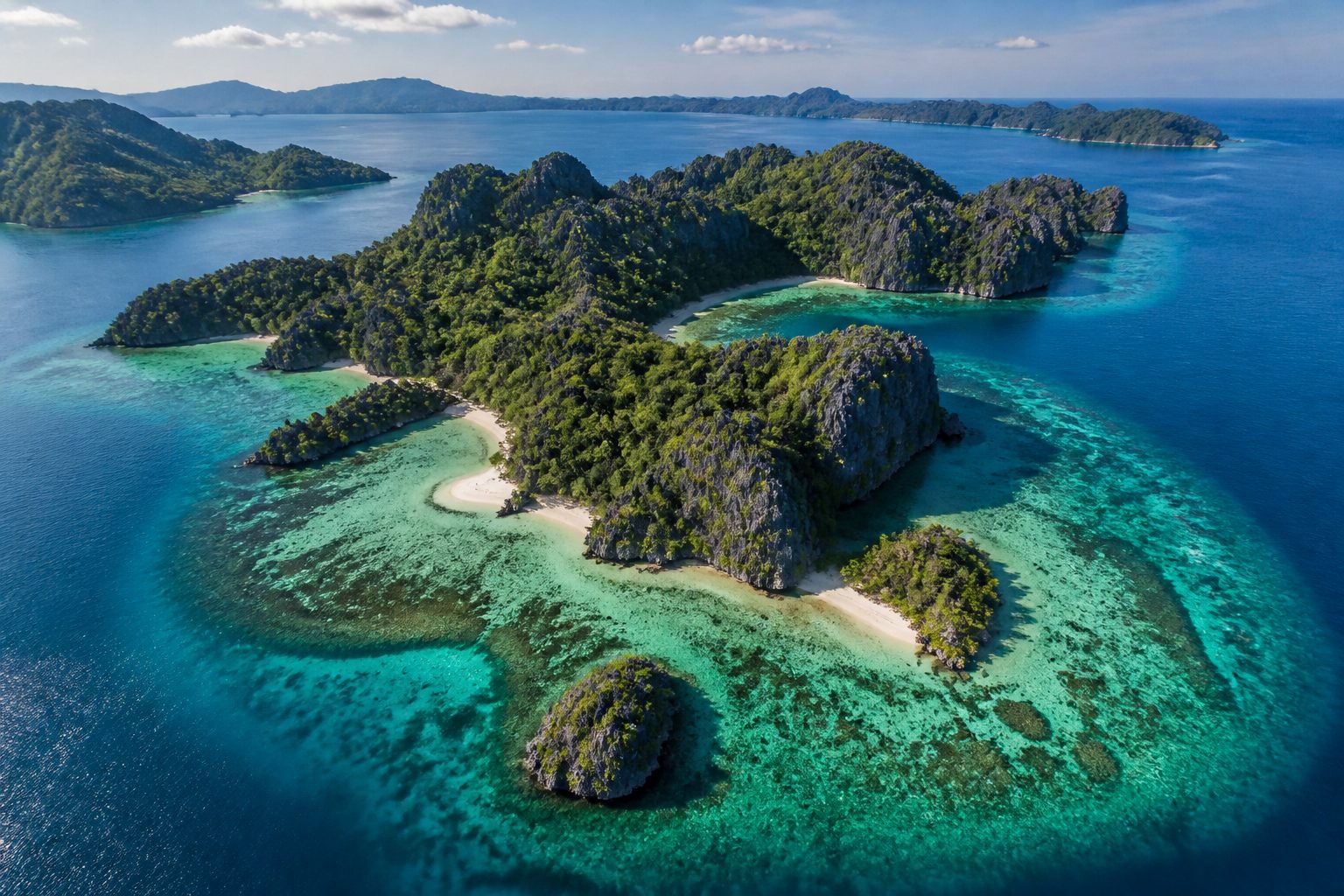
Geographically, Andaman & Nicobar form part of India's eastern maritime territory in the Bay of Bengal. A submerged hill range connects the islands to Myanmar and Indonesia, creating 582 islets covered in rain-fed, evergreen forest and home to a vast range of flora and fauna.
Of the roughly 550 islands in the group, only 28 are inhabited; the Nicobar group contributes 22 islands, of which 10 are still uninhabited. This chain of islands is separated from the Nicobar group by a 150km-wide channel.
An Honoured Place in History
The Andaman Islands hold a special place in India's freedom struggle, making them one of the most remembered destinations for families of freedom fighters across the nation. Must-visit historical sites include the Cellular Jail, Viper Island, Ross Island and Mount Harriet.
Ecologically, both Andaman and Nicobar are recognised among the world's 218 Endemic Bird Areas, with over 250 recorded species and sub-species. About 106 species and subspecies are endemic, including the State Bird (Wood Pigeon), State Tree (Andaman Padauk) and State Animal (Dugong). The islands are also home to 96 wildlife sanctuaries, 9 national parks and 1 biosphere reserve.
Climate
Being a tropical region, the south-west monsoon nourishes the forests until the end of May, while the north-east monsoon re-energises the islands from November onward. This keeps Andaman & Nicobar pleasantly cool, dry and easy to visit almost all year round.
Port Blair records an average rainfall of about 3,900mm, with temperatures ranging from a minimum of 23.2°C to a maximum of about 30°C, and humidity around 80%. The islands can be visited comfortably any time between November and May, while June to September sees the heaviest rains.
Administration & Port Blair
Andaman & Nicobar is a Union Territory of India, administratively divided into three districts. Port Blair lies in the south and falls under the Andaman district; Mayabunder is the headquarters of the North & Middle Andaman district; and Car Nicobar is the headquarters of the Nicobar district. The islands have a literacy rate of about 86%.
Port Blair is the only gateway to the Andaman & Nicobar Islands - every visitor arrives and departs through this capital city. Visitors can enjoy scuba diving, snorkelling, sea cruises, swimming, underwater sea walks and coastal reef views, plus museums, cultural shows and the famous Andaman Bazaar right in the heart of the city.
Ready to Experience Andaman Yourself?
Let our local experts craft the perfect itinerary for you.
Browse Tour Packages